Ai Fashion Design Free

Create stunning and unique fashion designs using AI technology, completely free

Try:
Generated

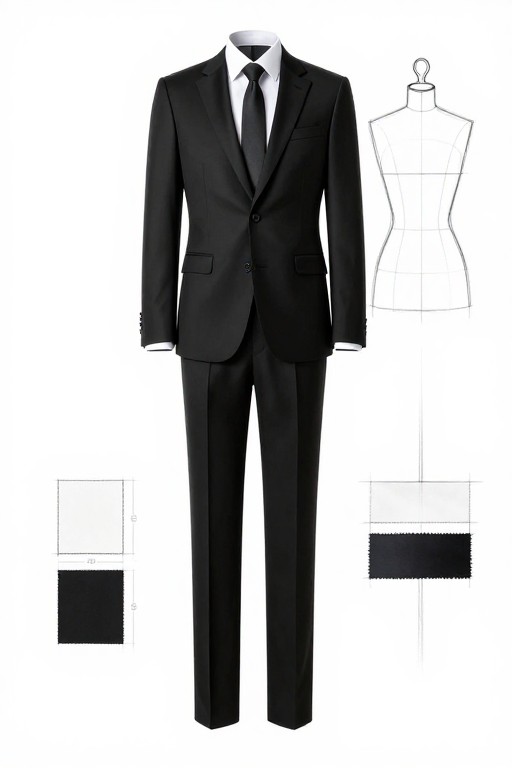
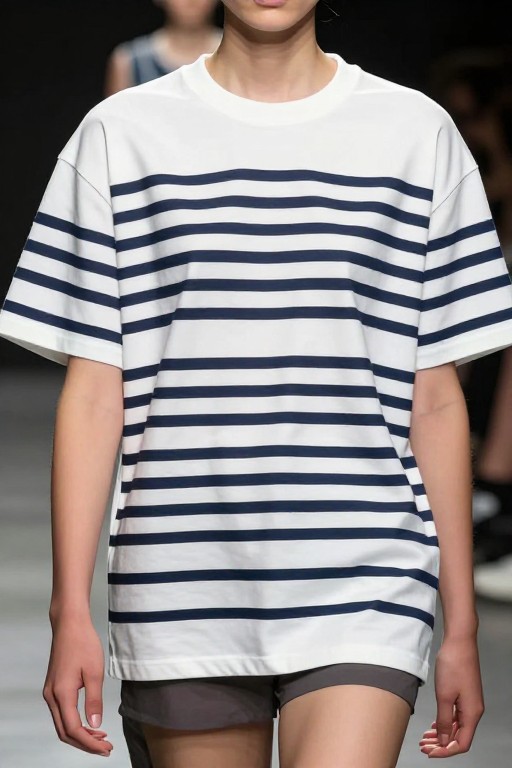
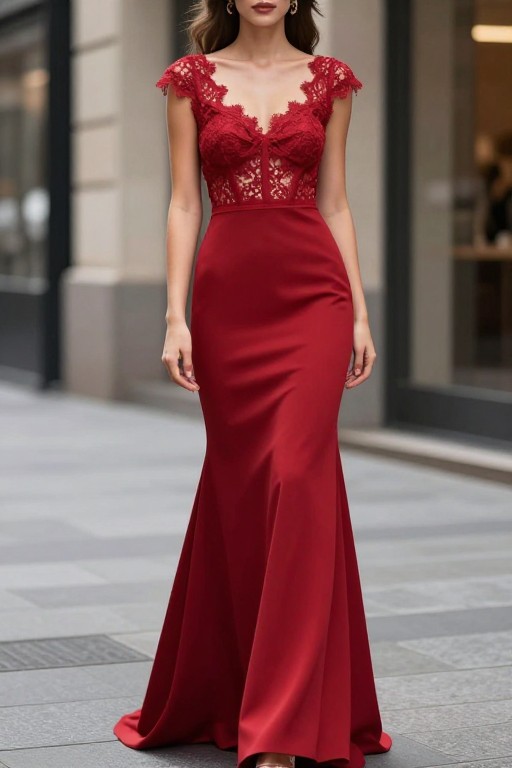
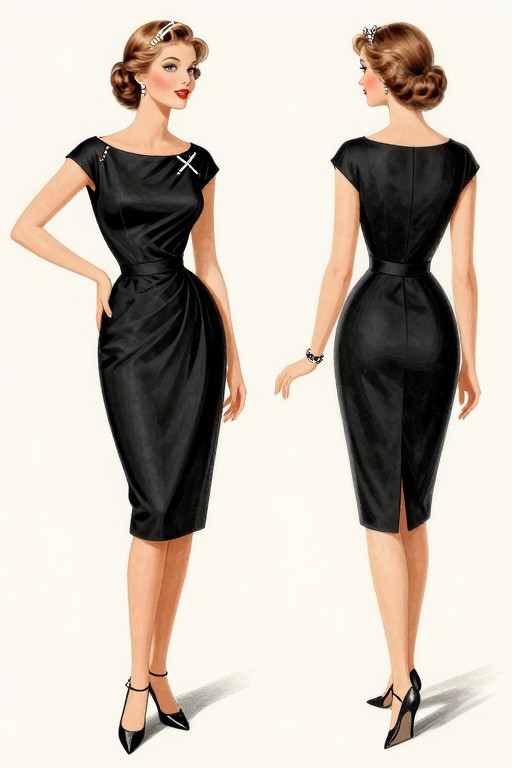
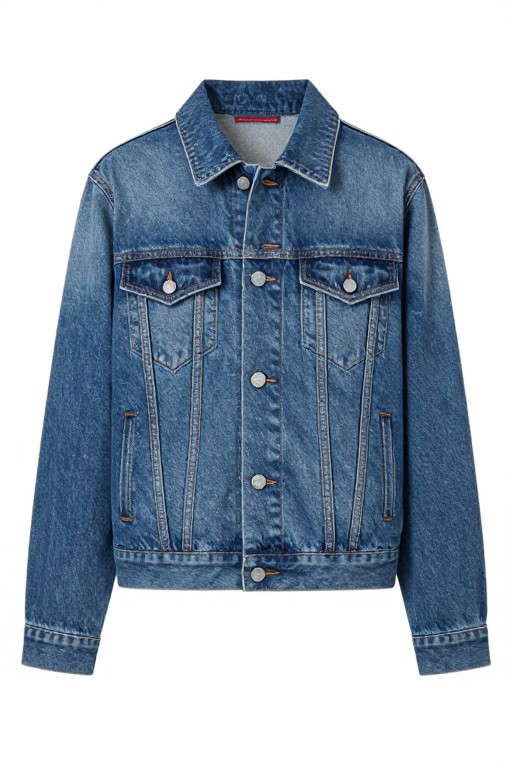
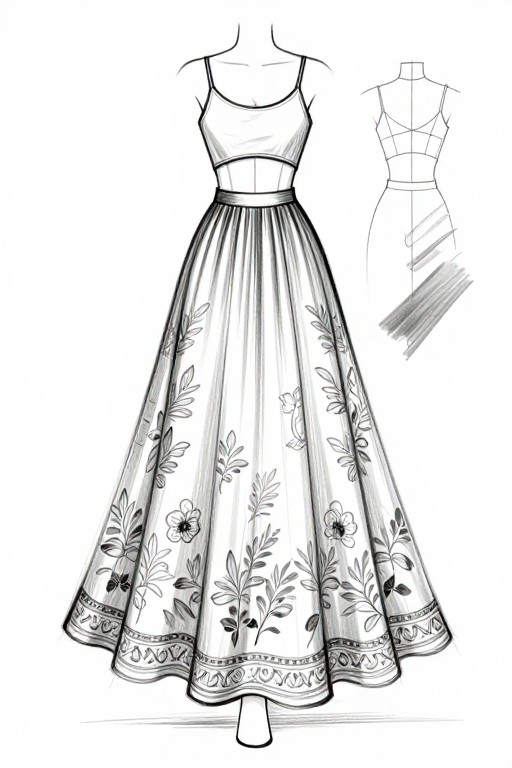
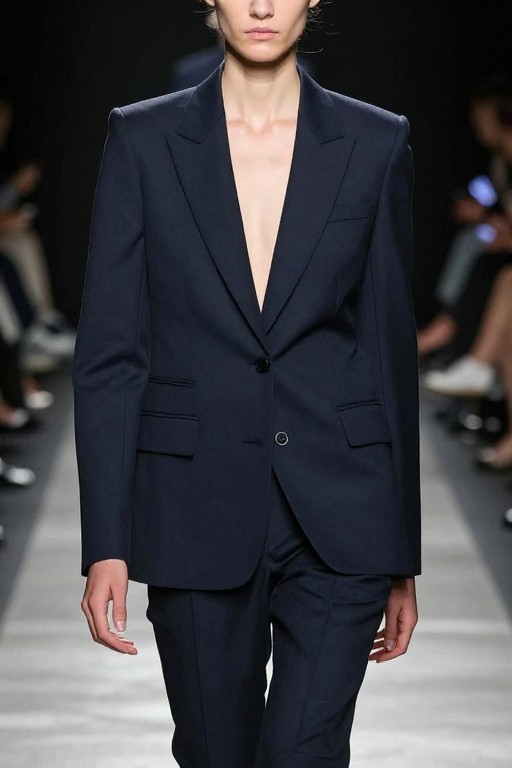
Ai Fashion Design Free Examples

See what others have created
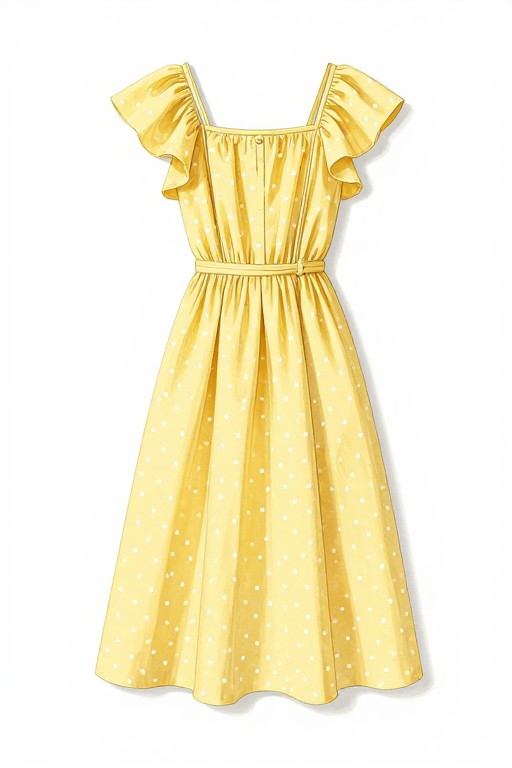
How to Get Started

Simple steps to create amazing results

1

Describe Your Fashion Idea

Enter your design vision - describe the clothing type, style, colors, patterns, and any specific details you want in your fashion design.

2

Customize Your Design

Adjust settings like style preferences, fabric textures, color schemes, and design elements to perfectly match your creative vision.

3

Generate & Download

Click generate to create your AI fashion design instantly. Download your high-quality images and use them for your projects, portfolios, or inspiration.

Main Features

Powerful capabilities at your fingertips

AI-Powered Design Generation

Transform your fashion ideas into stunning visual designs instantly using advanced AI technology that understands style, trends, and aesthetics.

Endless Style Options

Explore unlimited fashion styles from streetwear to haute couture, vintage to futuristic, with customizable colors, patterns, and design elements.

Professional Quality Output

Generate high-resolution fashion designs perfect for portfolios, presentations, social media, or product development with stunning detail.

Unlimited Creations

Create as many fashion designs as you want with no limits, no subscriptions, and no hidden costs - completely free forever.

Lightning Fast Results

Get your fashion designs in seconds, not hours. No more waiting for manual sketching or expensive design software rendering.

Easy Download & Share

Download your designs instantly in high quality and share them across platforms or use them in your creative projects right away.

Did You Know?

Interesting Things You Might Not Know About Fashion Design

The Golden Ratio in Couture

High-end fashion designers frequently use the golden ratio (1:1.618) to create visually pleasing proportions in garments, a mathematical principle also used by Renaissance artists like Leonardo da Vinci.

Bias Cut Revolution

Madeleine Vionnet invented the bias cut technique in the 1920s by cutting fabric at a 45-degree angle to the grain, allowing dresses to drape and flow naturally without darts or closures—a technique still used today.

Pantone's Fashion Authority

The Pantone Color Institute selects a Color of the Year that influences fashion design globally, with designers typically working 18-24 months ahead of retail seasons to incorporate these trend forecasts.

Couture's Legal Definition

In France, only fashion houses meeting strict criteria set by the Chambre Syndicale de la Haute Couture can legally call themselves "haute couture"—currently fewer than 15 houses worldwide hold this designation.

The Toile Tradition

Fashion designers create "toiles" (mock-ups in cheap fabric like muslin) to perfect fit and drape before cutting expensive materials, a practice dating back to 18th-century French dressmaking ateliers.

Draping vs. Flat Pattern

Fashion design uses two primary construction methods: draping (sculpting fabric on a dress form, favored by Halston and Vionnet) and flat pattern-making (mathematical drafting on paper, preferred for tailoring and menswear).

Textile's Environmental Cost

The fashion industry uses approximately 93 billion cubic meters of water annually, with a single cotton shirt requiring about 2,700 liters to produce—making sustainable fashion design increasingly critical.

Seam Allowance Standards

While Western fashion design typically uses 5/8-inch (1.5cm) seam allowances, haute couture often employs 1-inch allowances to allow for alterations, and Japanese pattern-making traditionally uses metric measurements exclusively.

The Croquis Canvas

Fashion designers sketch on elongated figure templates called "croquis," typically drawn at 9-10 heads tall (versus realistic 7.5 heads) to emphasize garment design over anatomical accuracy.

Fast Fashion Speed

Traditional fashion design follows a 6-month production cycle from concept to store, but fast fashion brands like Zara reduced this to just 2-3 weeks by revolutionizing design, manufacturing, and distribution processes.

Drape Coefficient Science

Fashion designers measure fabric's "drape coefficient" using the Cusick Drapemeter, where ratings from 0-100% determine how fabric hangs—silk chiffon scores around 85% while denim rates near 20%.

Pattern Grading Mathematics

Creating multiple sizes from one design involves "grading," where each size typically increases by 1-2 inches in circumference measurements—a single pattern can require over 200 precise calculations to grade across 8 sizes.

Frequently Asked Questions

Everything you need to know

AI fashion design involves using artificial intelligence to create and innovate fashion designs, offering tools that enhance creativity and efficiency in the fashion design process.
You can use AI to design clothing by inputting your preferences such as type, style, and colors into an AI tool, which will generate unique and stylish designs for you.
Yes, our AI fashion design tool is completely free to use, allowing you to explore and create fashion designs without any cost.
You can create any type of fashion design including dresses, suits, streetwear, accessories, sportswear, formal wear, and more in various styles from classic to contemporary.
No design experience is needed! Simply describe your fashion idea in words, and our AI will generate professional-quality designs for you instantly.
Yes, you can use the AI-generated fashion designs for your personal projects, portfolios, inspiration boards, and commercial purposes.

Ready to Design Your Fashion Collection?

Join thousands of designers, brands, and fashion enthusiasts creating stunning designs with AI. Start bringing your fashion ideas to life today - completely free!