AI Book Cover Generator
Type in your genre and title. Pick a style. Get a cover in about 12 seconds.
Book Cover
Your generated book cover will appear here
Trusted by over 1,000,000 creators
Tens of thousands of book covers generated. No sign-up required.
Recently Generated AI Book Covers
Real book covers users created with this free AI book cover generator. Click any to remix.




AI Book Cover Styles by Genre
Each book genre has its own visual conventions. Here's what tends to work for AI-generated covers, with examples we've created.
Romance Covers
Warm palettes, single figure or couple in soft focus, scripted or italic typography, romantic lighting (golden hour, candlelight, fireside).



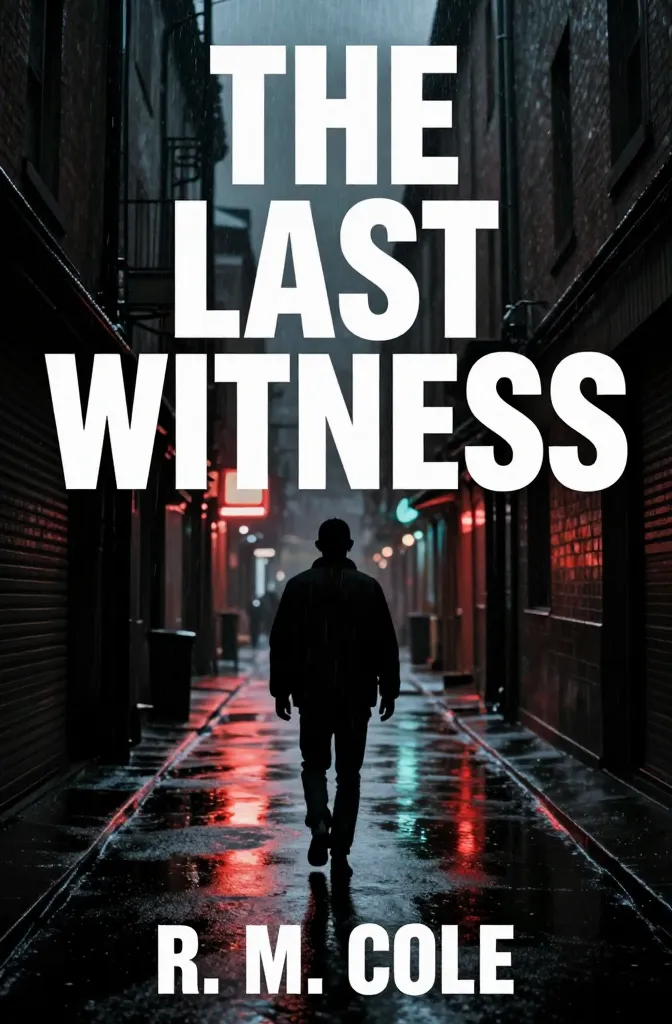
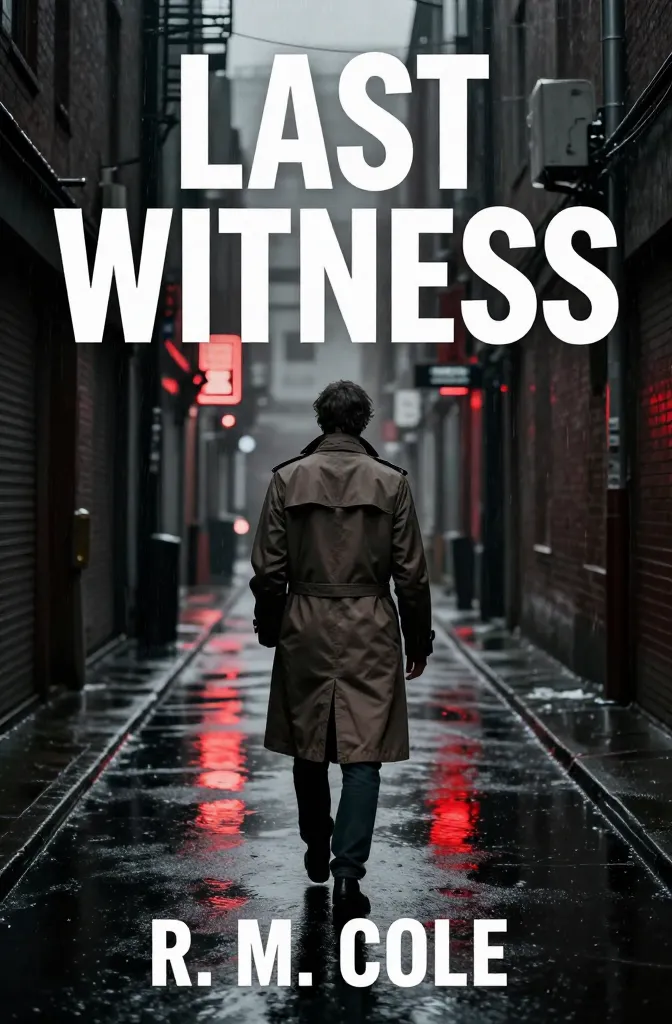
Thriller Covers
High contrast, dramatic shadows, single bold focal element, sans-serif or condensed all-caps typography, cool desaturated palettes with one accent color.
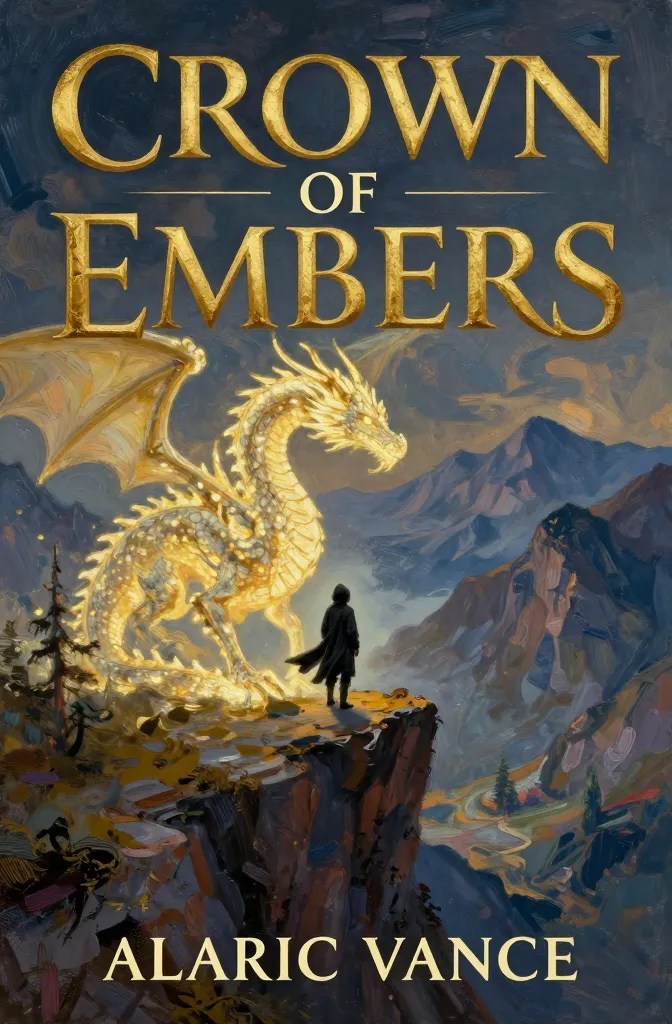
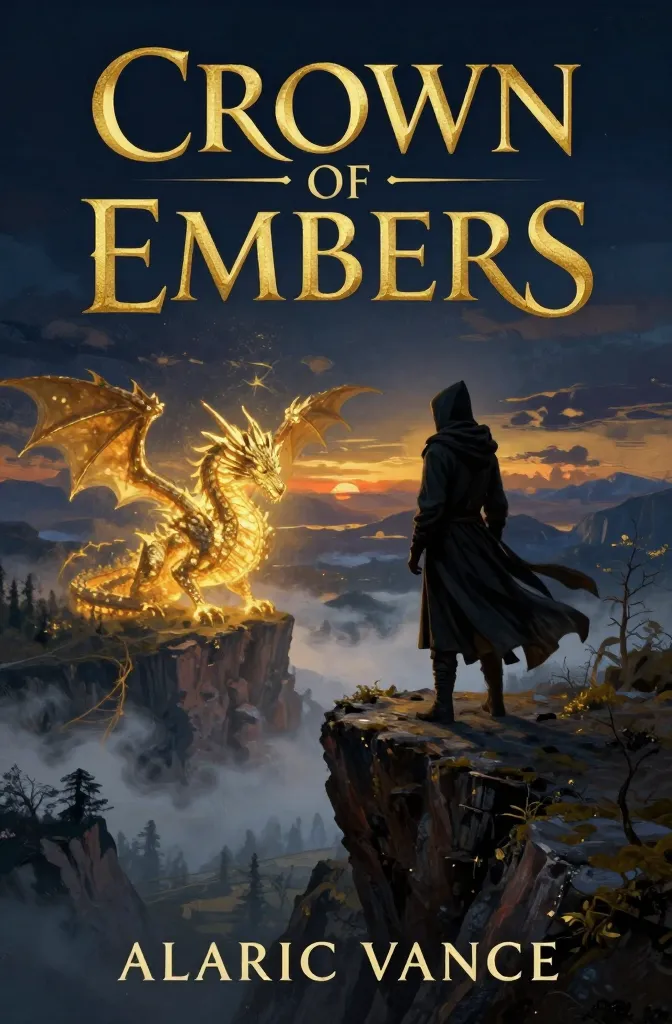
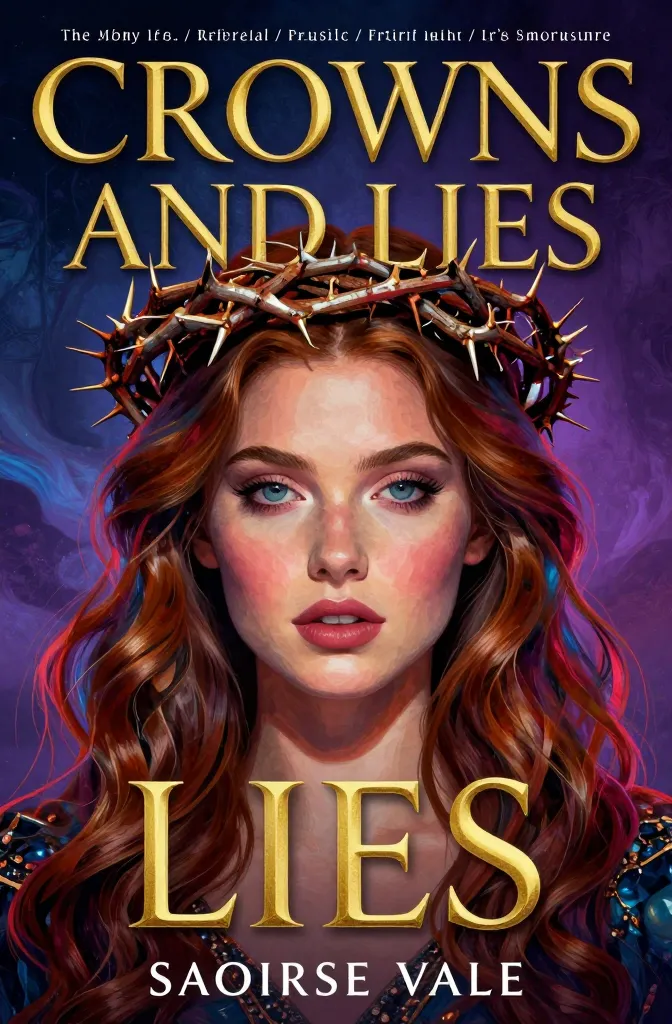
Fantasy Covers
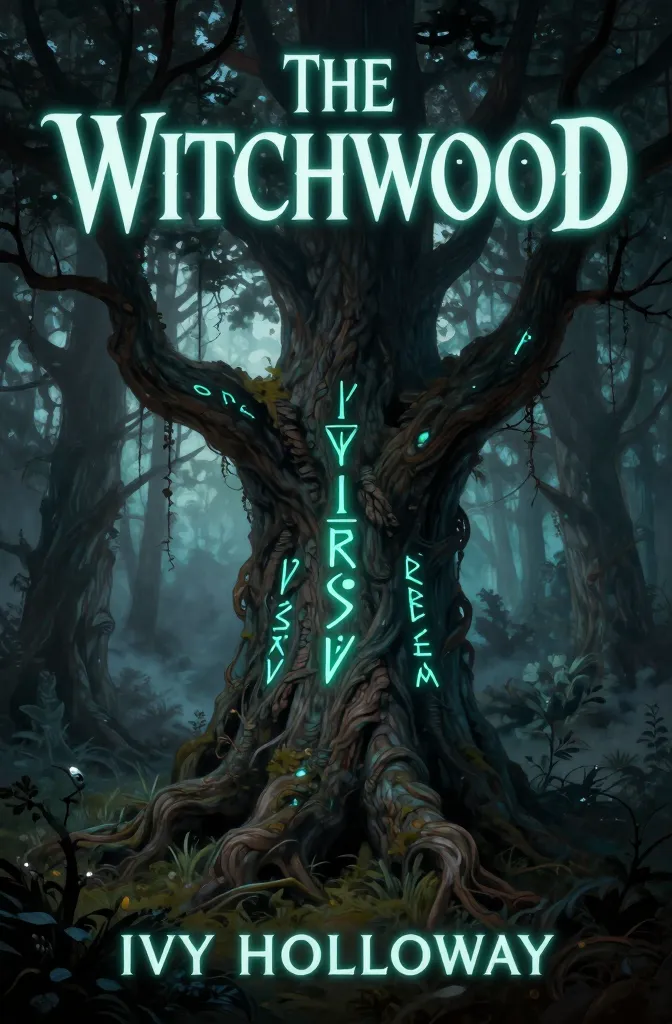
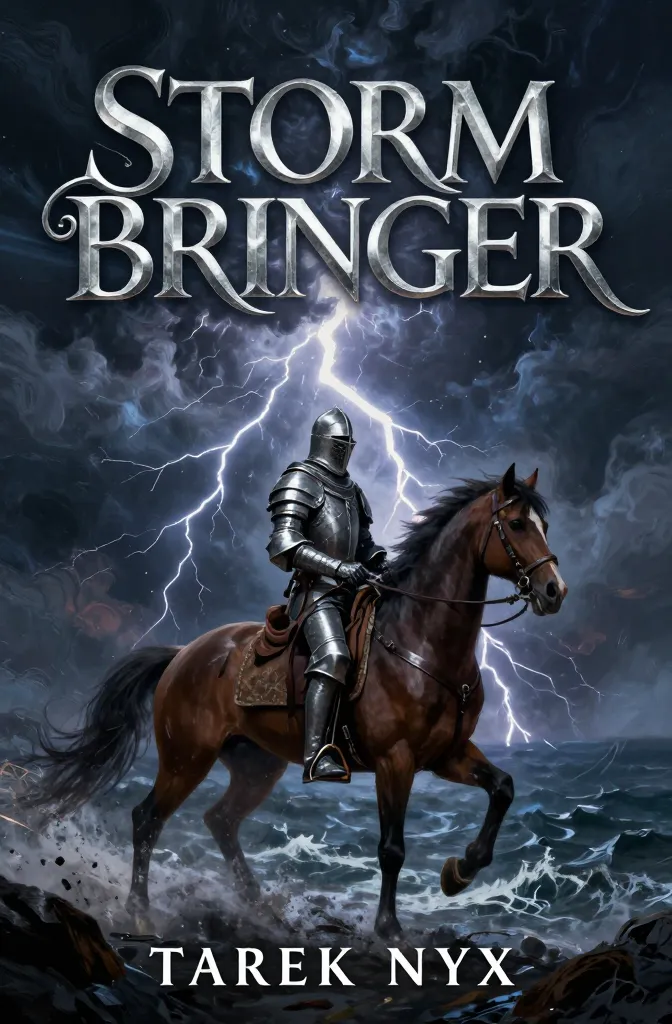
Painterly digital art, sweeping landscapes, lone hero figures, ornate or fantasy-style typography (often with gold/metallic effects), saturated palettes.
Sci-Fi Covers
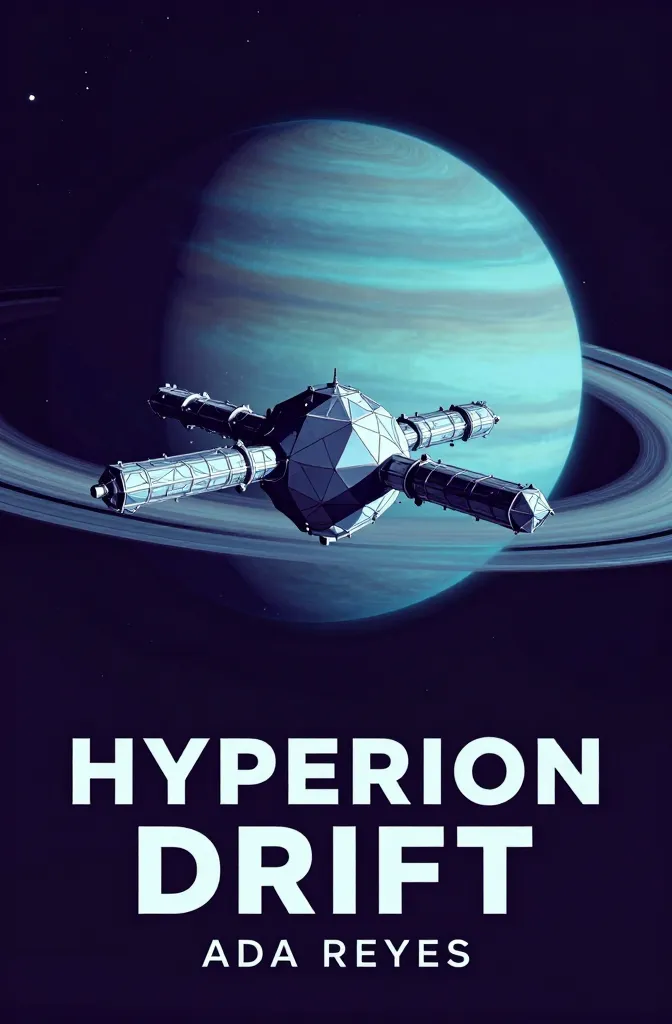
Geometric or technological subjects, cool palettes (cyan, magenta, deep purple), futuristic sans-serif typography, often single iconic object or vista.


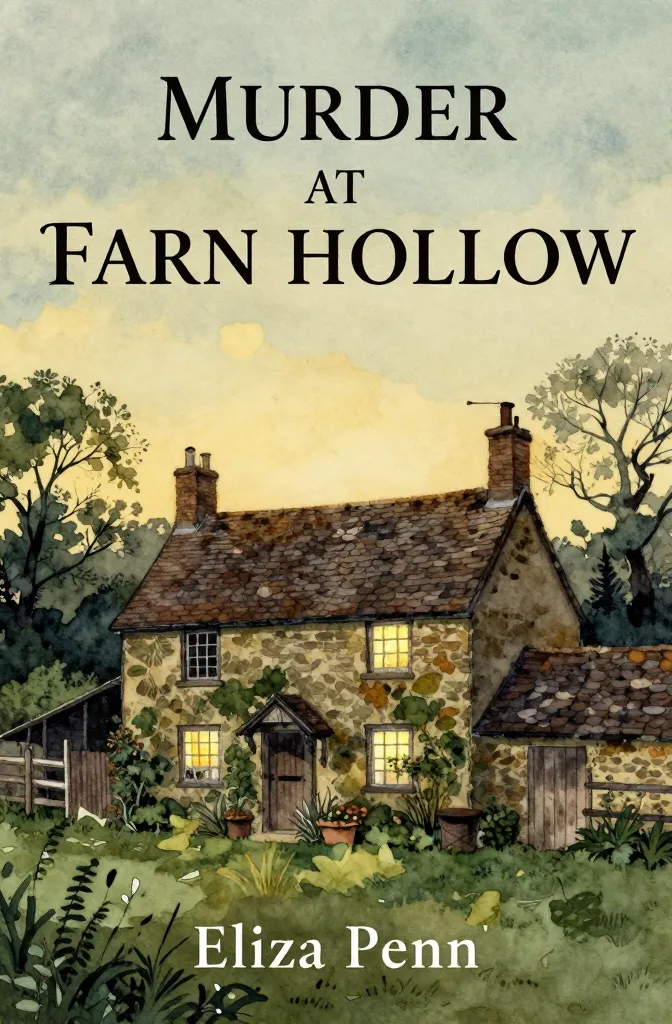
Mystery Covers
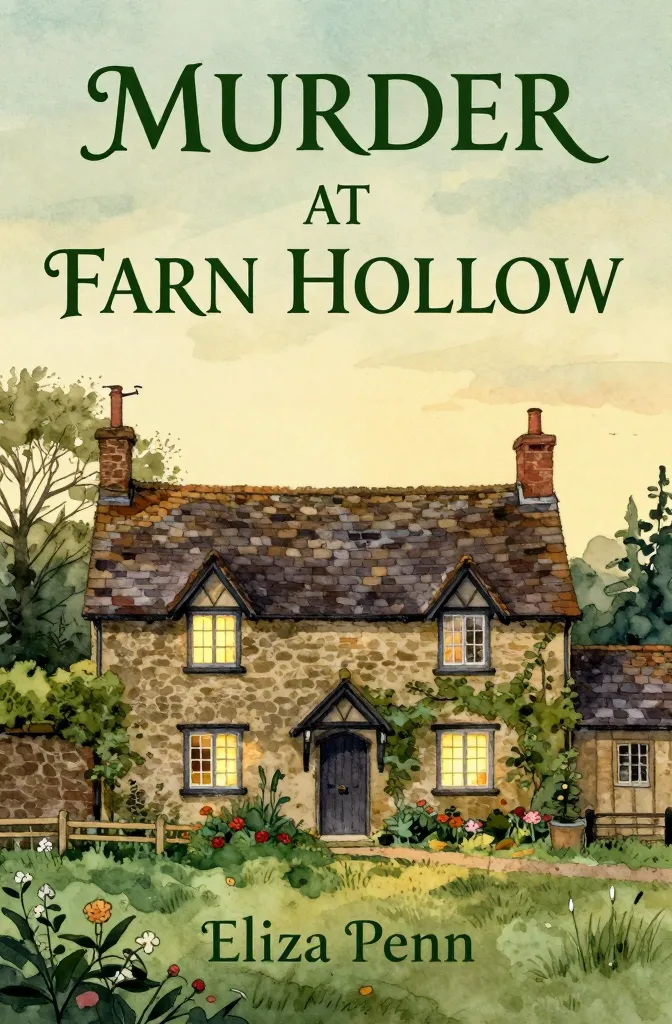
Cozy mysteries lean watercolor and warm; hard mysteries lean noir. Often illustrative rather than photographic. Hand-lettered or classic serif titles.

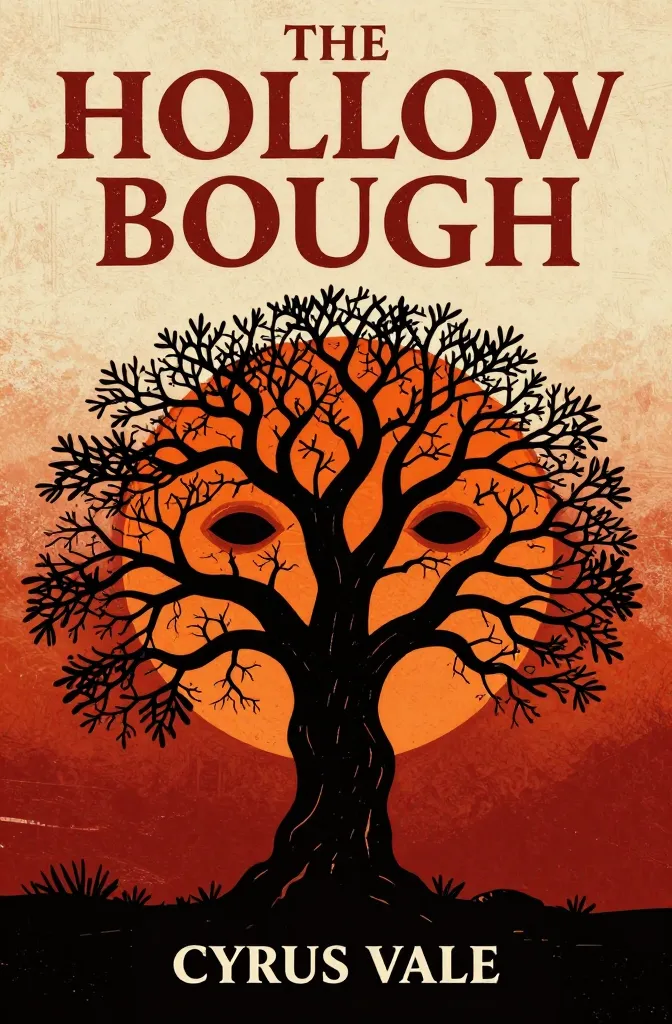
Horror Covers
Heavy negative space, single unsettling element, distressed or vintage typography, blood reds against blacks, woodcut or grain textures.
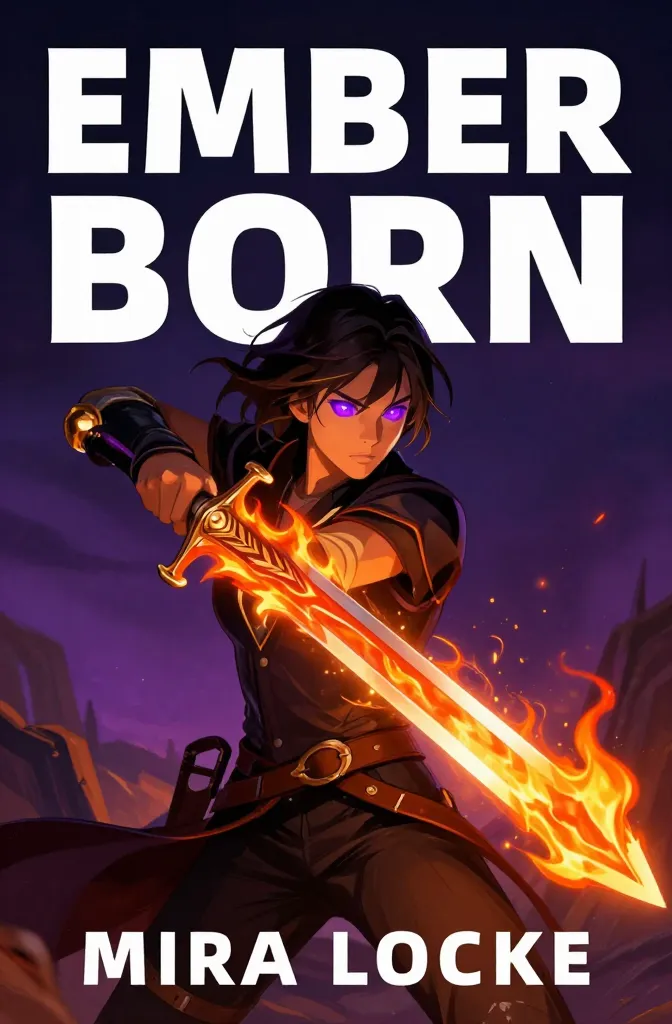
YA Covers
Vibrant illustrated digital painting, dynamic protagonist with strong emotion, bold modern sans-serif titles, often with magical or symbolic elements.
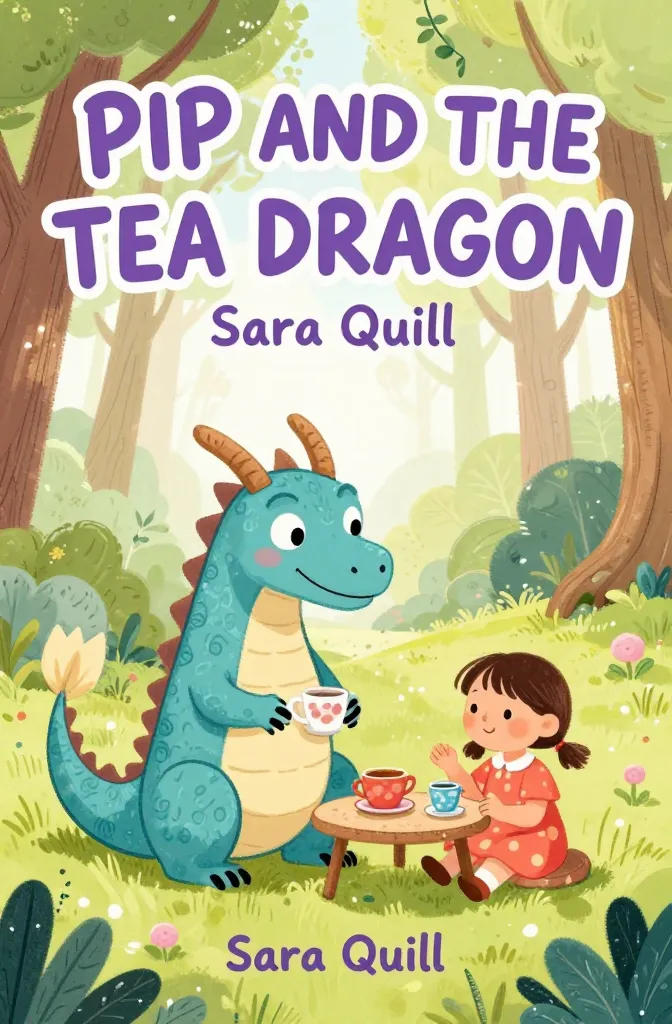
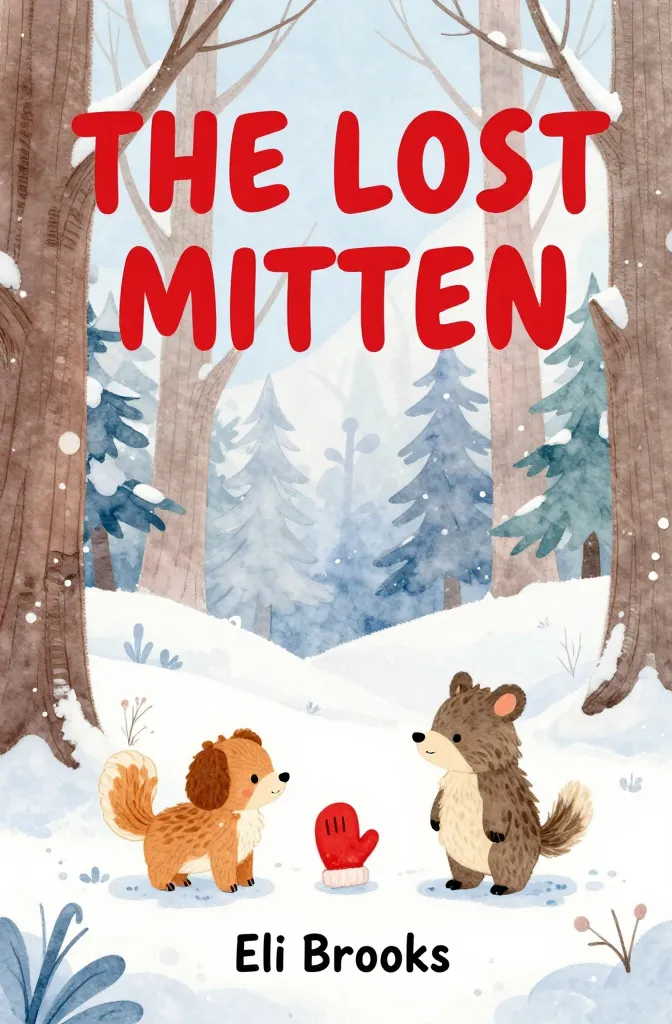
Children's Covers
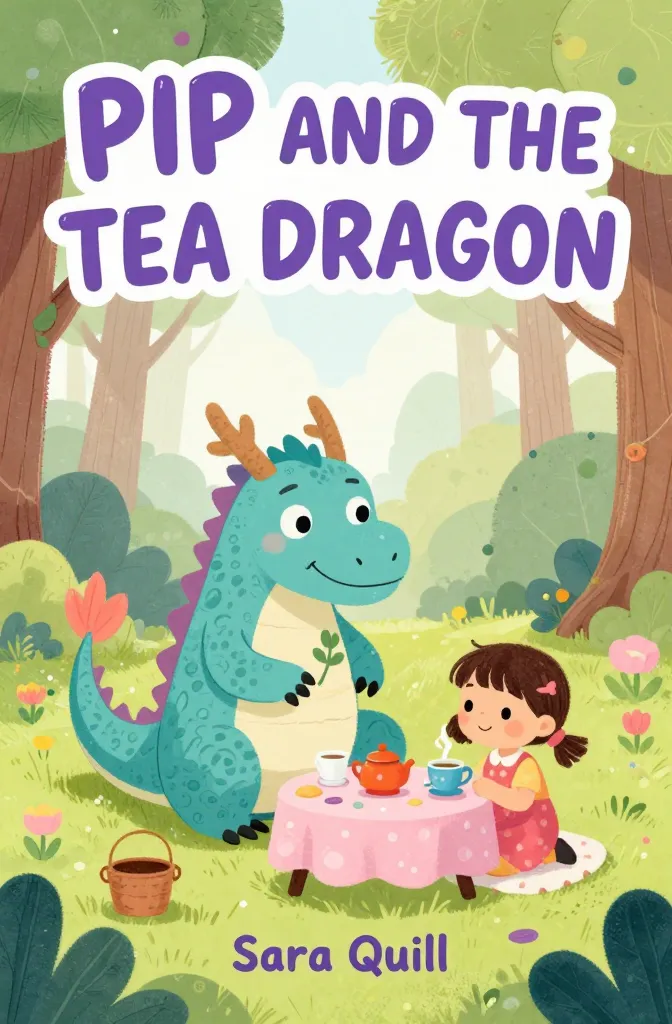
Bright pastel palettes, friendly cartoon characters, hand-drawn rounded typography, playful compositions, paper-cut or watercolor textures.

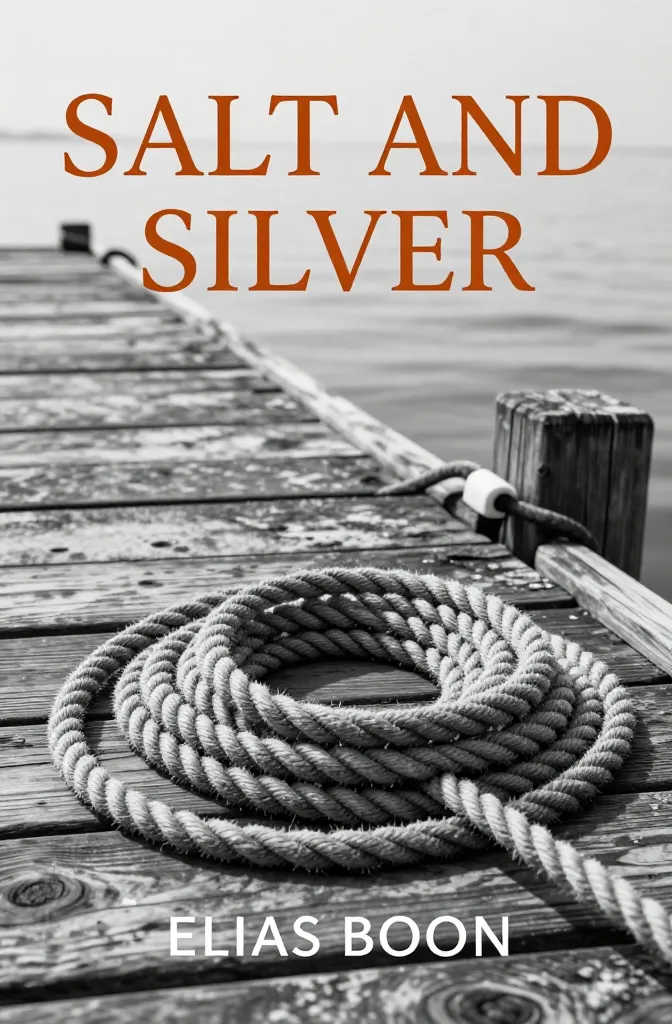
Memoir Covers
Restrained palette, single evocative photograph or object, elegant typography (often typewriter or refined serif), cream/paper backgrounds, deckle textures.


Cookbook Covers
Editorial food photography or stylized illustration, overhead or three-quarter angle, natural lighting, clean modern sans-serif, generous whitespace.



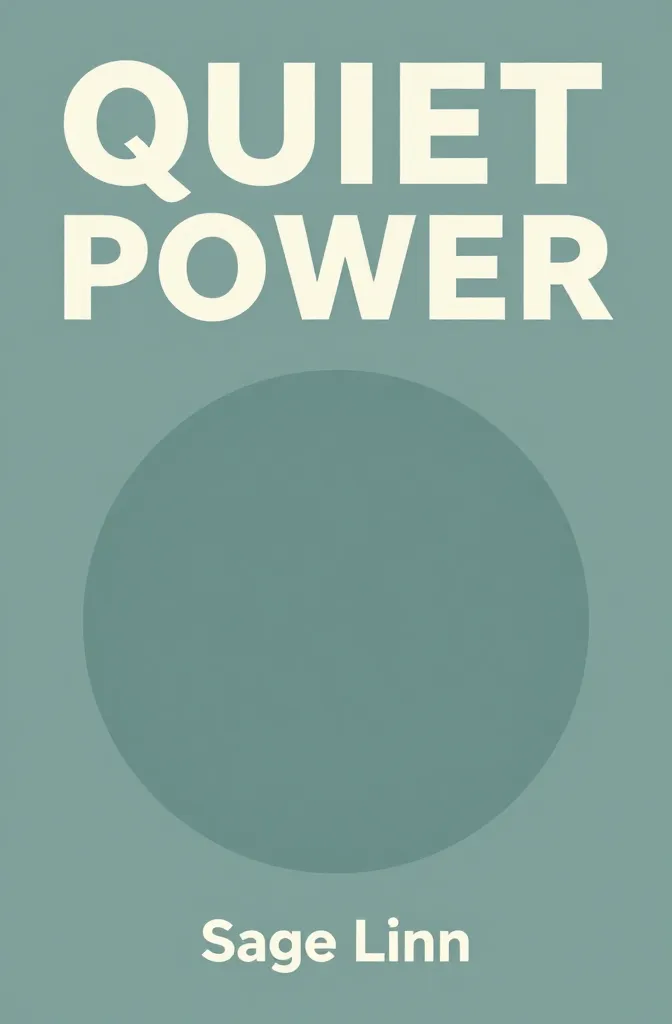
Self-Help Covers
Bold geometric or abstract shapes, confident sans-serif typography, single concept communicated visually, modern color palettes (coral/navy, mustard/teal), heavy whitespace.


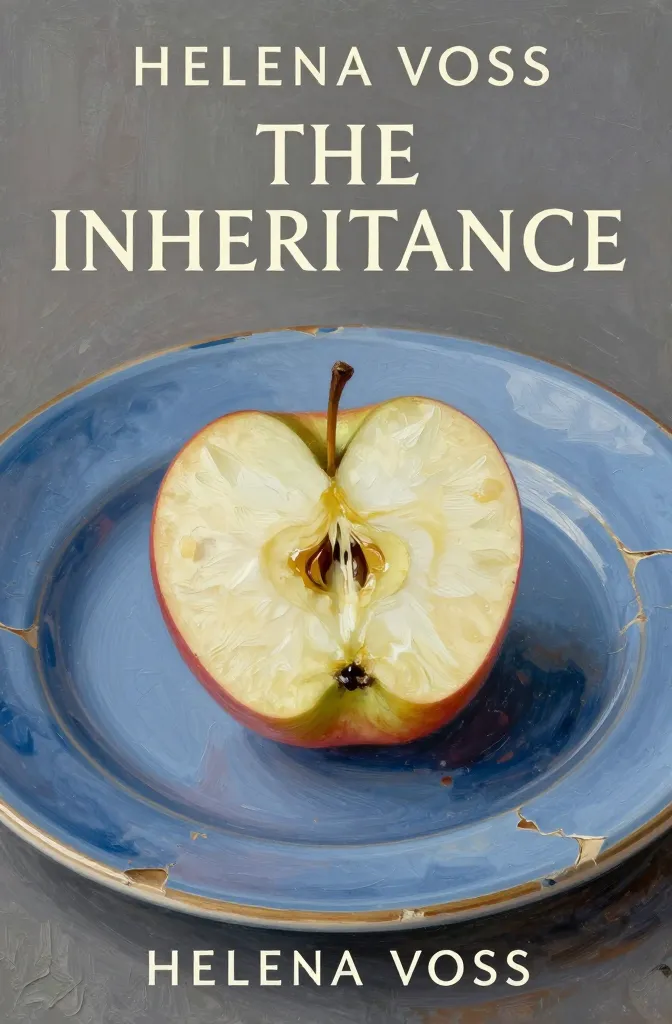
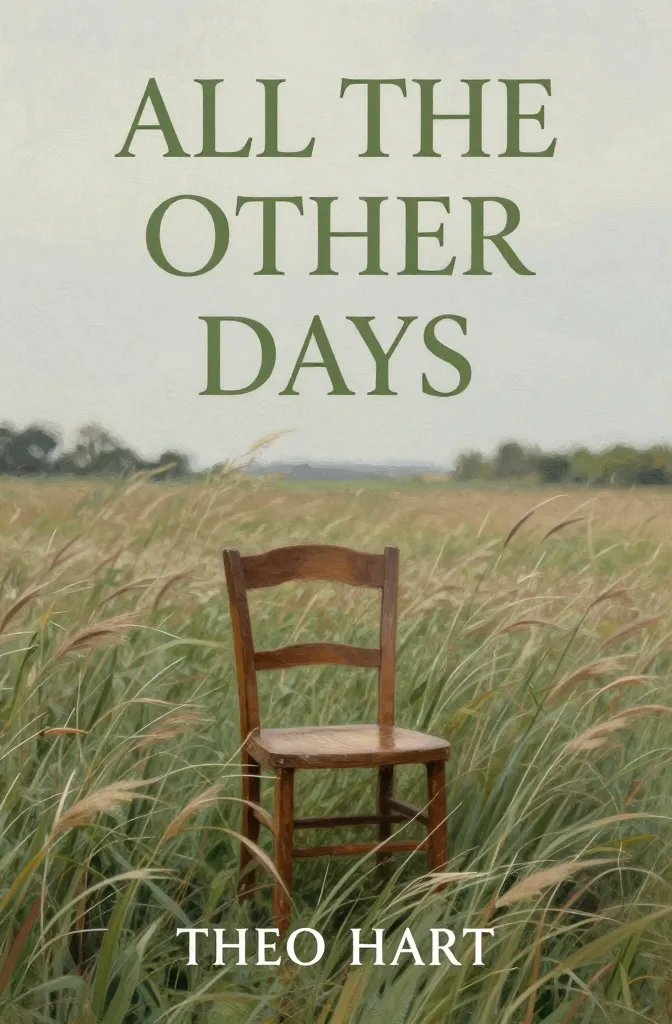
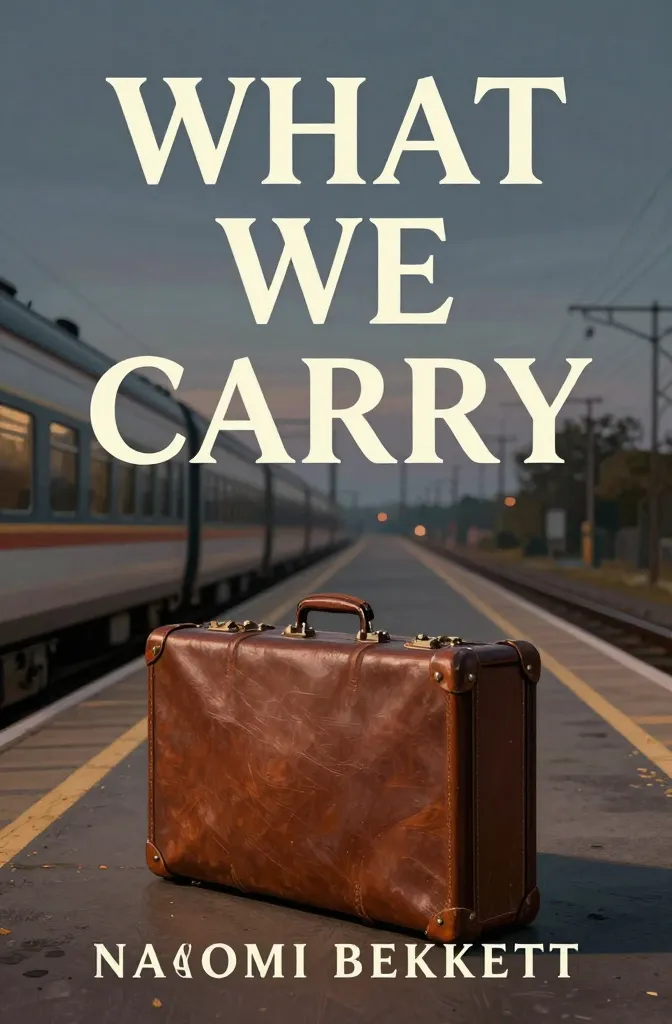
Literary Fiction Covers
Conceptual single-object compositions, painterly textures, restrained palette, classic refined serif typography, often visually metaphorical.
24 Book Cover Prompts That Work
Curated AI book cover prompts our users keep coming back to. Copy any prompt and paste it into the generator above.
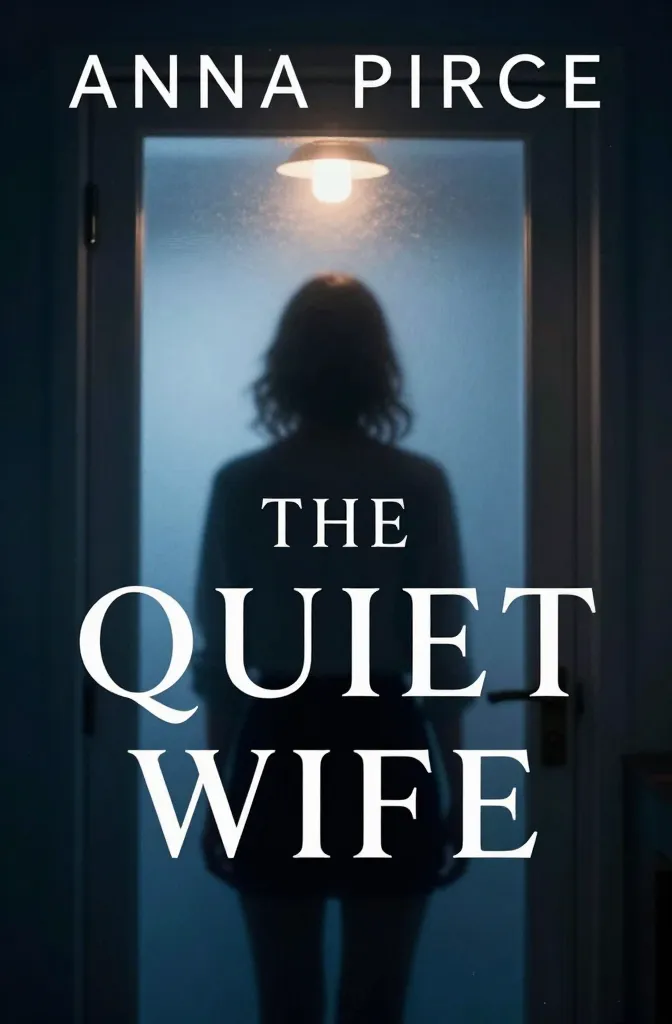
Domestic Thriller
A blurred figure standing behind a frosted glass door at night, single warm light from a hallway lamp, deeply unsettling but quiet, condensed all-caps title 'The Quiet Wife' in white
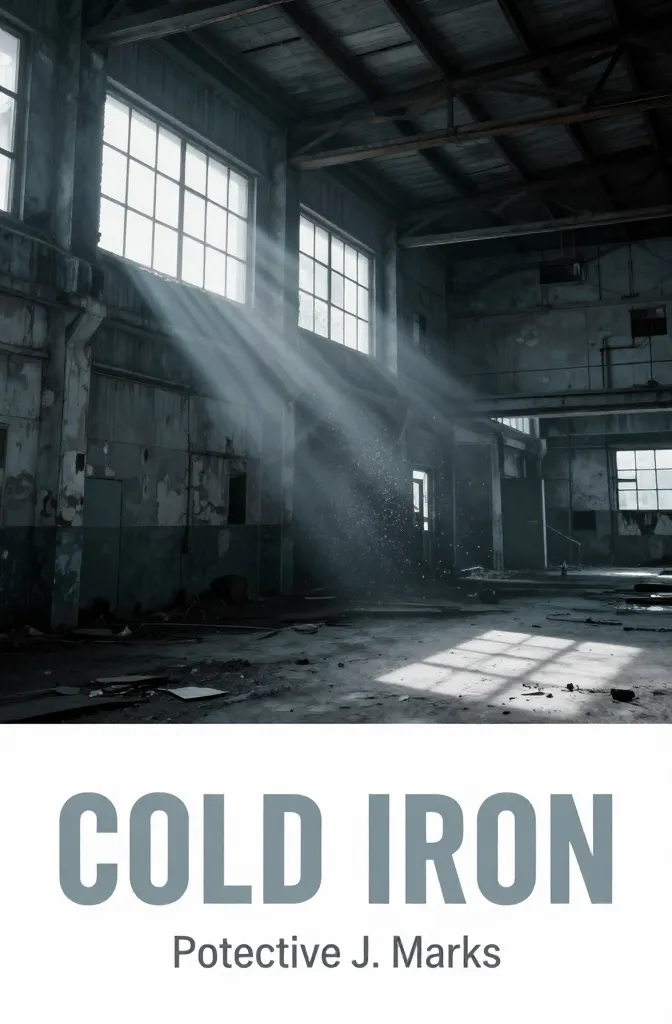
Police Procedural
Abandoned warehouse interior, dust particles in a single beam of light through a high window, moody desaturated palette with cool blue tones, condensed sans-serif title 'Cold Iron'
Spy Thriller
Lone figure in dark trench coat at a foggy European train platform at dawn, distant tower lights, cinematic anamorphic, sharp serif title 'The Geneva File'
Small-Town Romance
Cozy main street of a small New England town in autumn, golden afternoon light through changing leaves, warm palette, scripted serif title 'Coming Home to Hawthorn'
Enemies to Lovers
Two silhouetted figures back-to-back in a stormy ballroom, fractured chandelier light, dramatic warm tones, italic serif title 'The Duke's Reluctant Bride'
Holiday Romance
Snowy small-town main street at twilight, soft warm Christmas lights, single figure walking with a wrapped gift, scripted title 'A Snow Falls Christmas'
Epic Fantasy
Lone hooded figure standing on a windswept cliff overlooking an army of dragons, painterly digital oil style, gold-foil ornate title 'Crown of Embers'
Court Intrigue
Throne room from low angle, ornate baroque architecture, single crown on cushion in foreground, deep reds and gold, ornate title 'A Court of Thorned Diplomacy'
Magical Realism
A tree growing through the floor of an abandoned library, books falling like leaves, soft watercolor style, elegant serif title 'The Library of Forgotten Things'
Space Opera
Vast geometric space station orbiting a gas giant with rings, cool cyan and deep purple palette, minimal modern sans-serif title 'Hyperion Drift'
Cyberpunk
Neon-lit Tokyo street at night seen from above, rain-slick reflections, magenta and electric blue palette, futuristic sans-serif title 'Synapse Burn'
First Contact
Single astronaut standing before an enormous geometric alien monolith on a barren planet, awe-struck composition, restrained palette, classic sci-fi pulp title
Cozy Village
Hand-illustrated English village in early evening, single lit cottage window, watercolor and ink style, hand-lettered title 'The Bell Tower Murders'
Hardboiled Noir
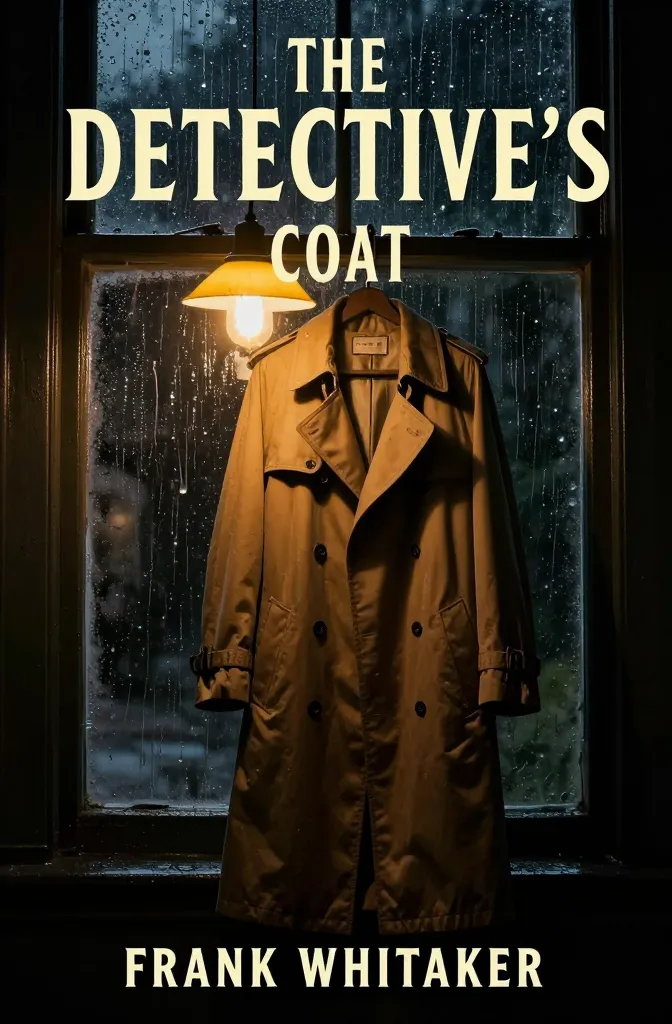
Trench coat hanging on a hook by a rain-streaked window, single lamp casting yellow light, classic serif title 'Last Call at Mooney's'
Folk Horror
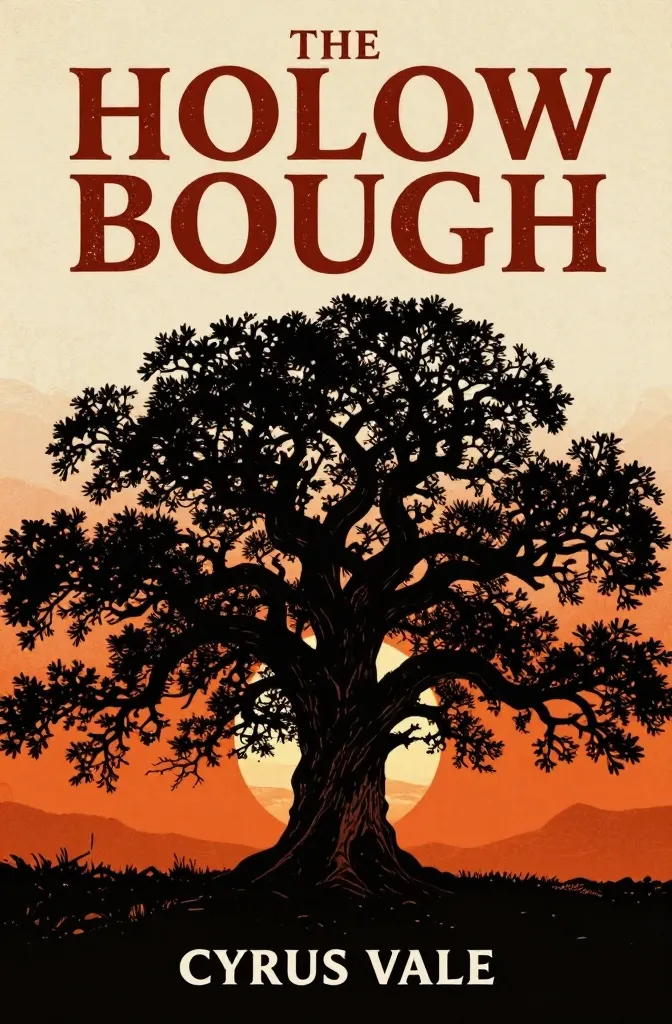
A twisted ancient oak tree silhouetted against a blood-orange harvest moon, vintage woodcut texture, distressed serif title 'The Hollow Bough'
Cosmic Horror
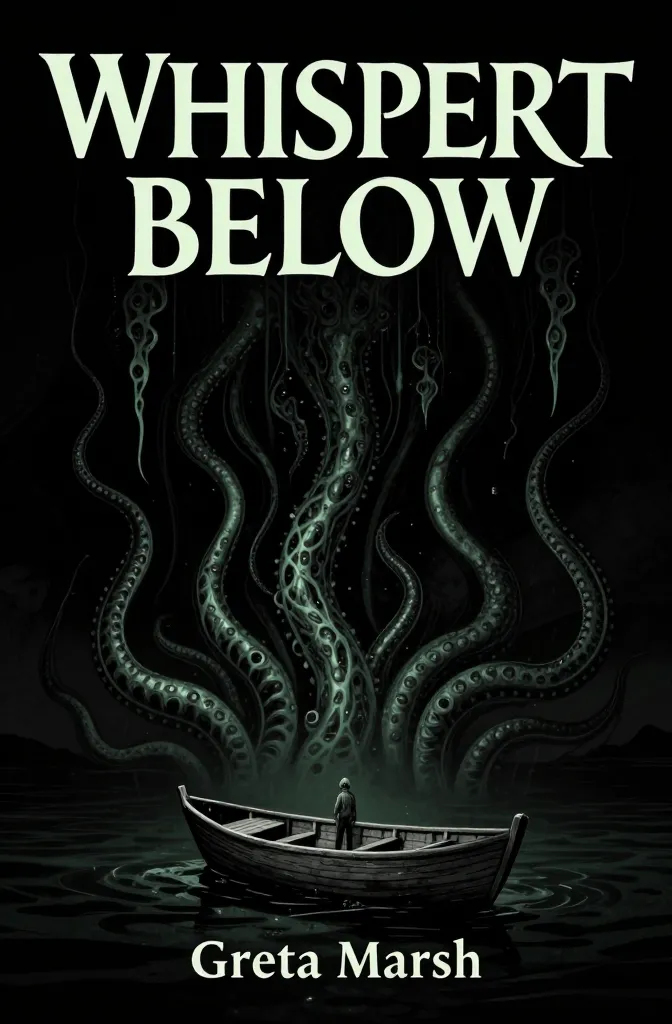
Eldritch tentacles emerging from black water beneath a small wooden boat, single tiny figure, restrained palette of black and dim green, distressed title
YA Fantasy
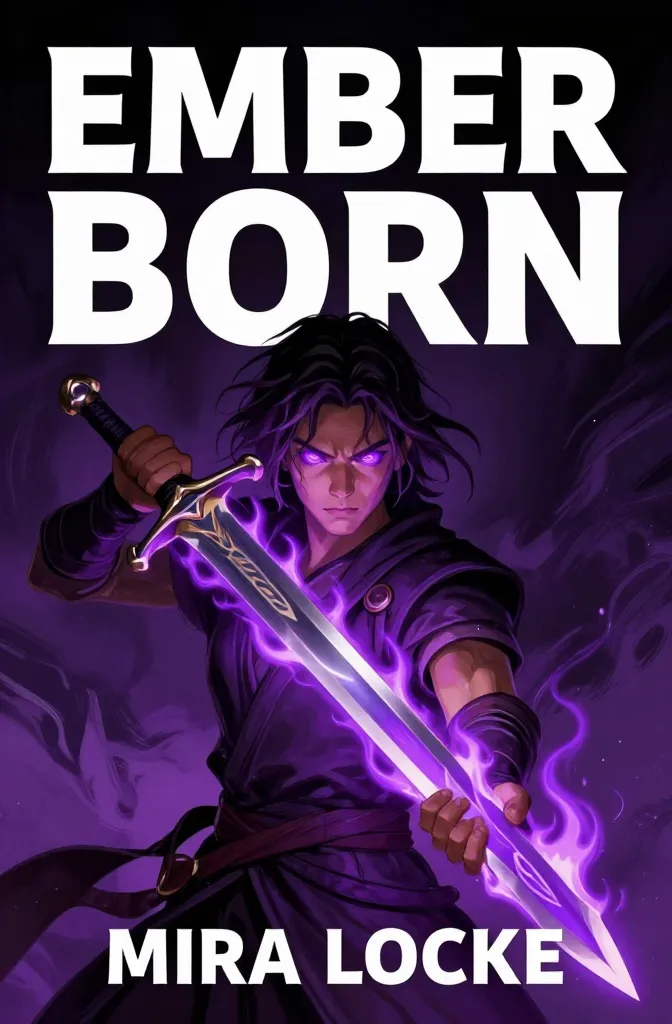
Young protagonist with glowing violet eyes wielding a flame-wreathed sword, dynamic three-quarter pose, painted digital art, bold modern sans-serif title 'Ember Born'
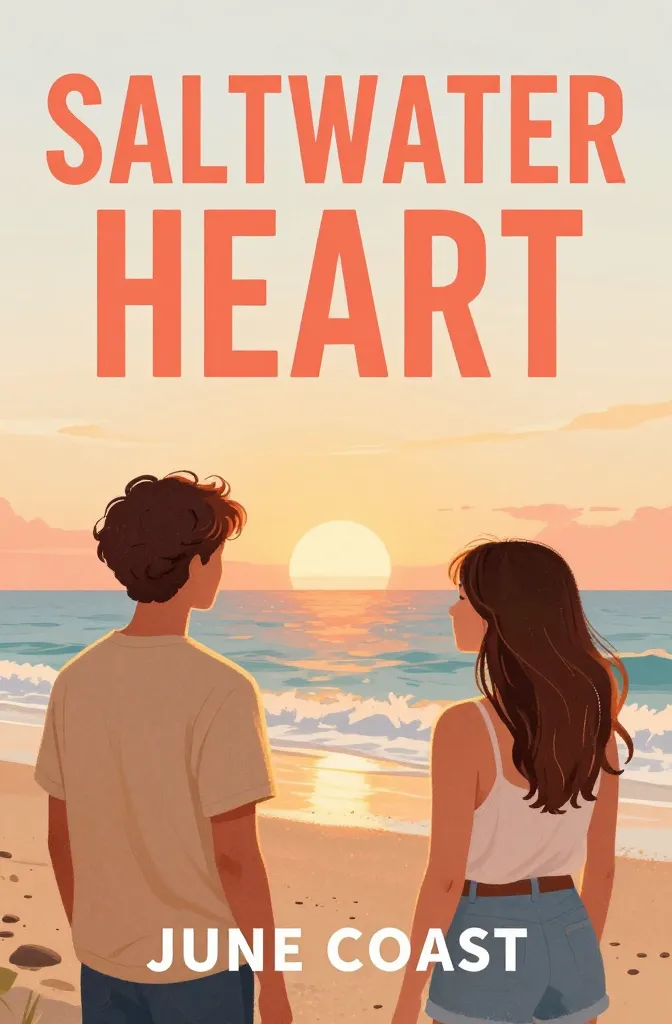
YA Contemporary
Illustrated portrait of two teens watching the sunrise from a beach, sun-kissed warm palette, hand-painted style, bold sans-serif title 'Saltwater Heart'
Place-Based Memoir
Single weathered photograph of an old farmhouse at golden hour, deckle-edge texture overlay on cream paper, elegant typewriter title 'Where the Light Began'
Health Journey
Single fresh wildflower in a clear glass on a sunlit windowsill, soft natural light, cream background, refined serif title 'After the Diagnosis'
Italian Home Cooking
Overhead shot of fresh hand-rolled pasta on a marble counter with herbs, garlic, and olive oil, soft natural light, modern clean sans-serif title 'Slow Sundays'
Modern Grilling
Dramatic side-lit cast iron grill with smoking ribeye steak, charcoal and rosemary, dark moody palette with hot orange accents, bold modern title 'Fire and Salt'
Productivity
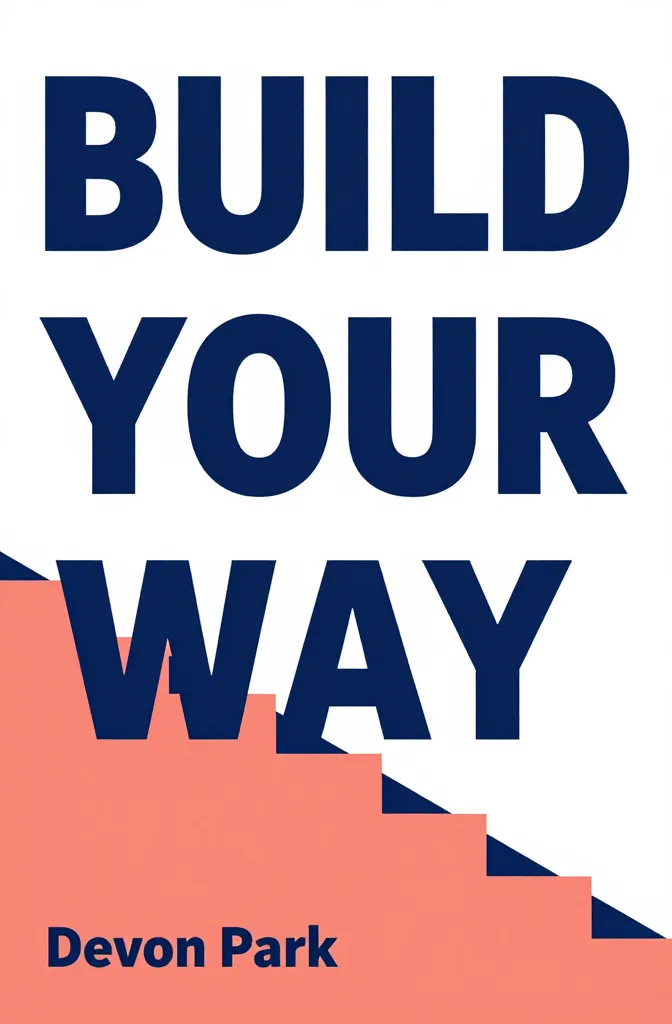
Abstract bold geometric design of an ascending staircase made of coral and navy blocks, generous whitespace, confident bold sans-serif title 'Build Your Way'
Object as Metaphor
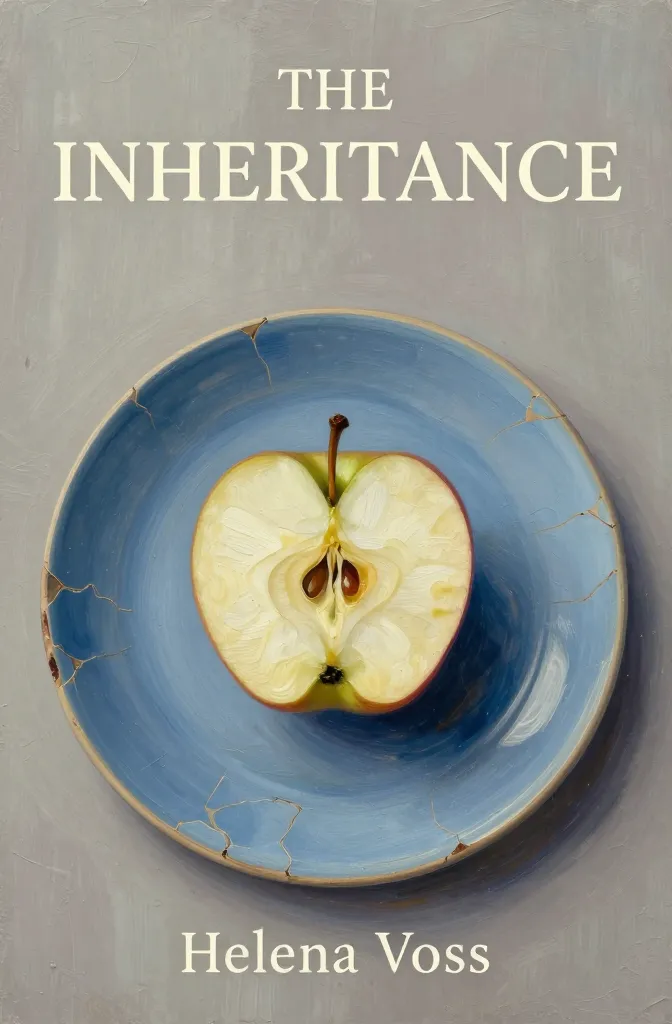
A half-eaten apple on a chipped blue ceramic plate, single object center frame, painterly oil texture, restrained palette, classic refined serif title 'The Inheritance'
The Style Lab
Same book cover concept, six different setting choices. See how each one shifts the feel of the cover.
Base prompt: "A literary thriller book cover titled "NIGHT WINDOW" by E. Carver. A lone figure on a city street at night looking up at a single lit window high above."
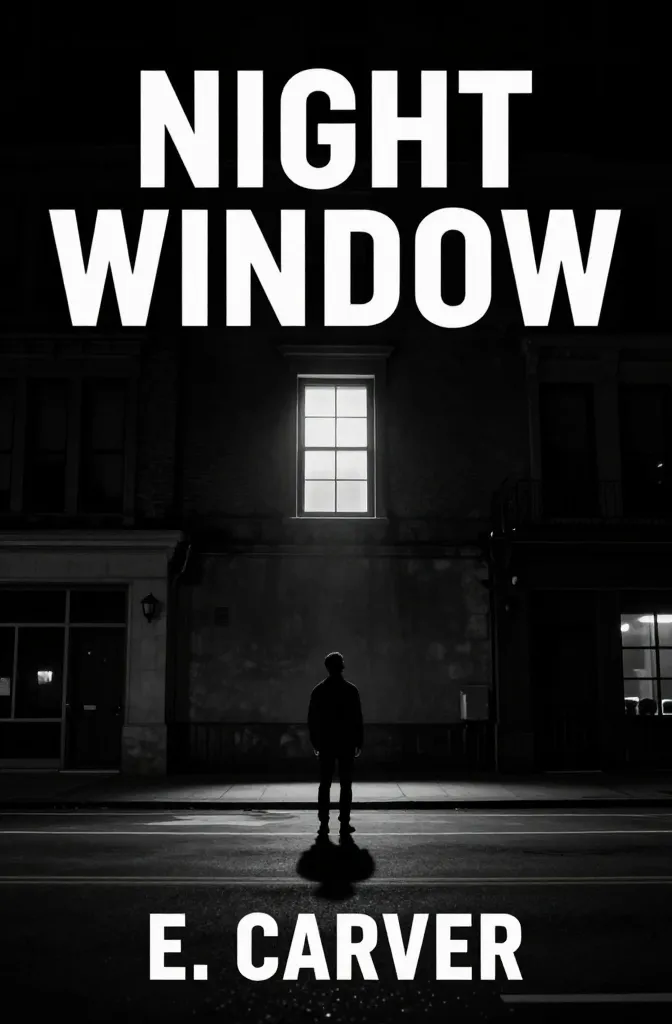
+ "harsh noir lighting, deep blacks, single hard rim light"
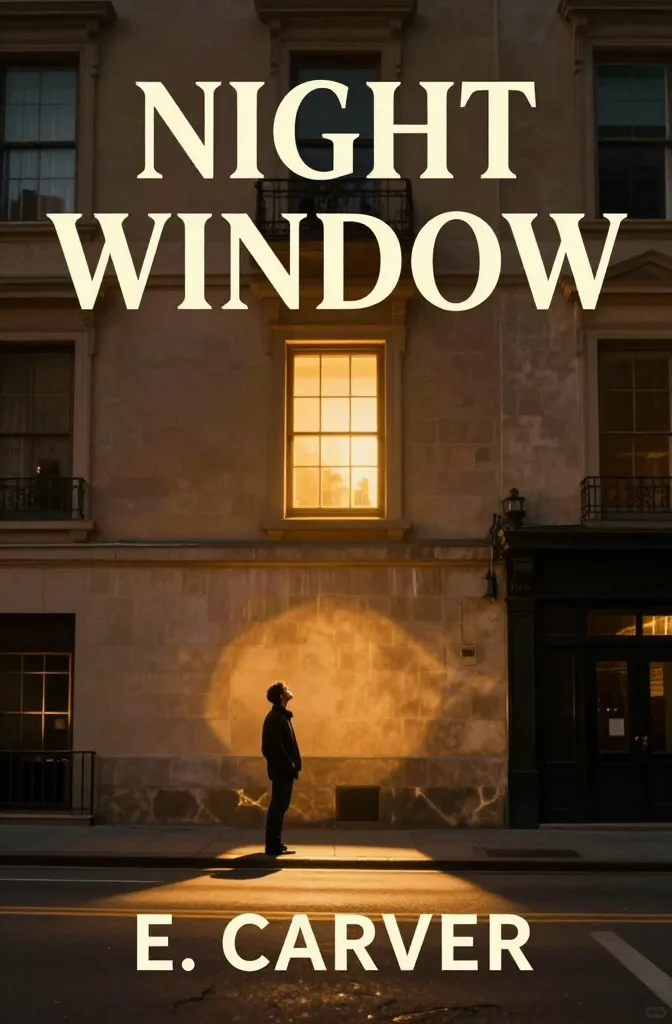
+ "warm golden hour, soft side lighting, long shadows"
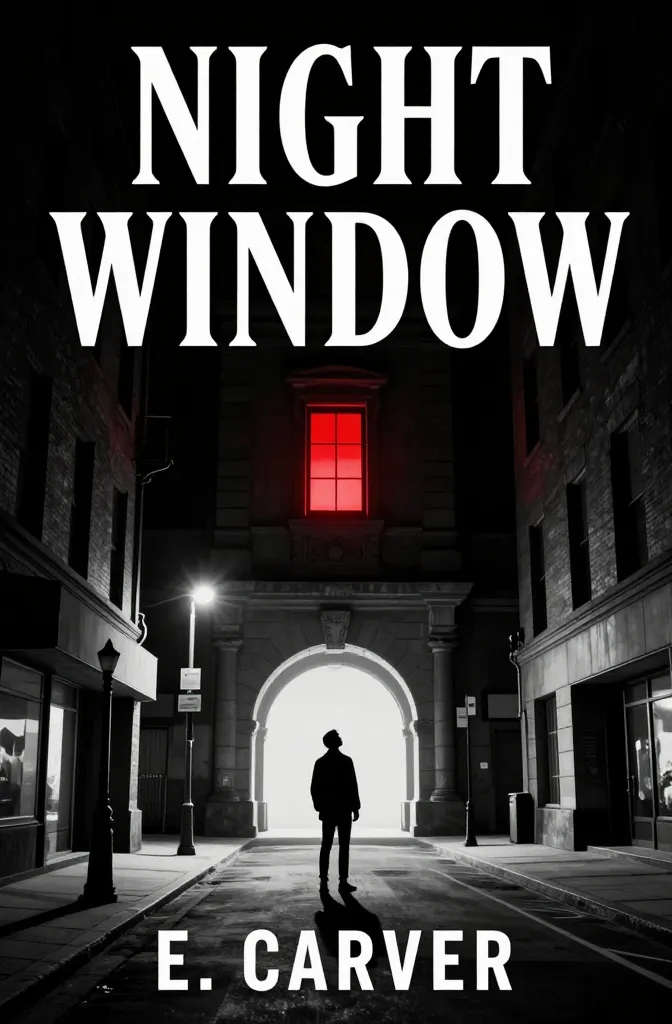
+ "monochrome palette, single accent color (red), high contrast"
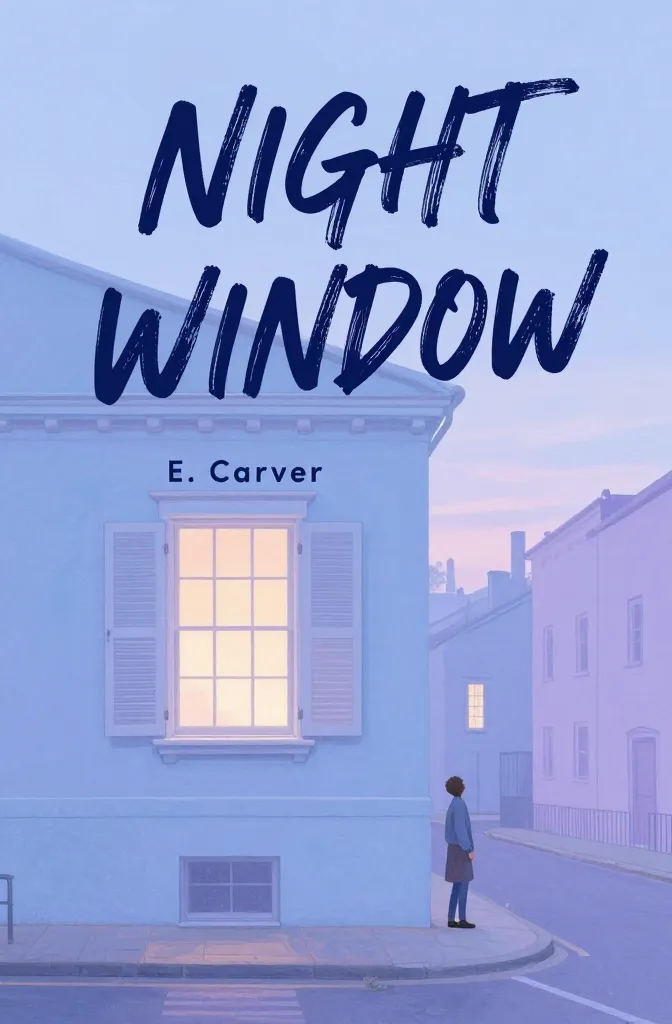
+ "pastel cool palette, soft baby blue and lavender, dreamy and quiet"
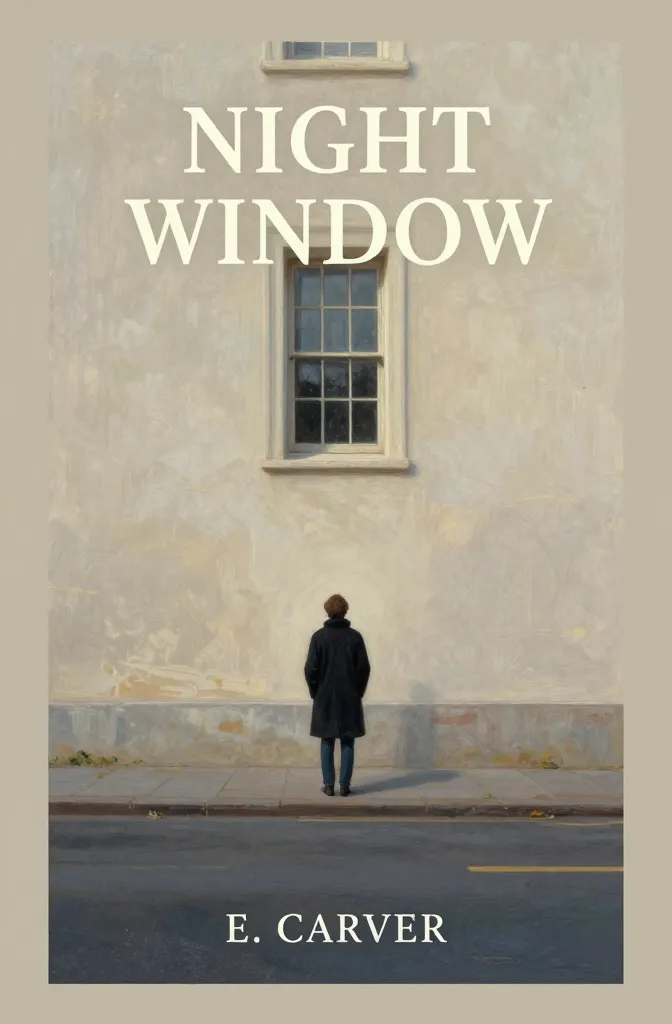
+ "centered symmetric composition, formal balance, classical framing"
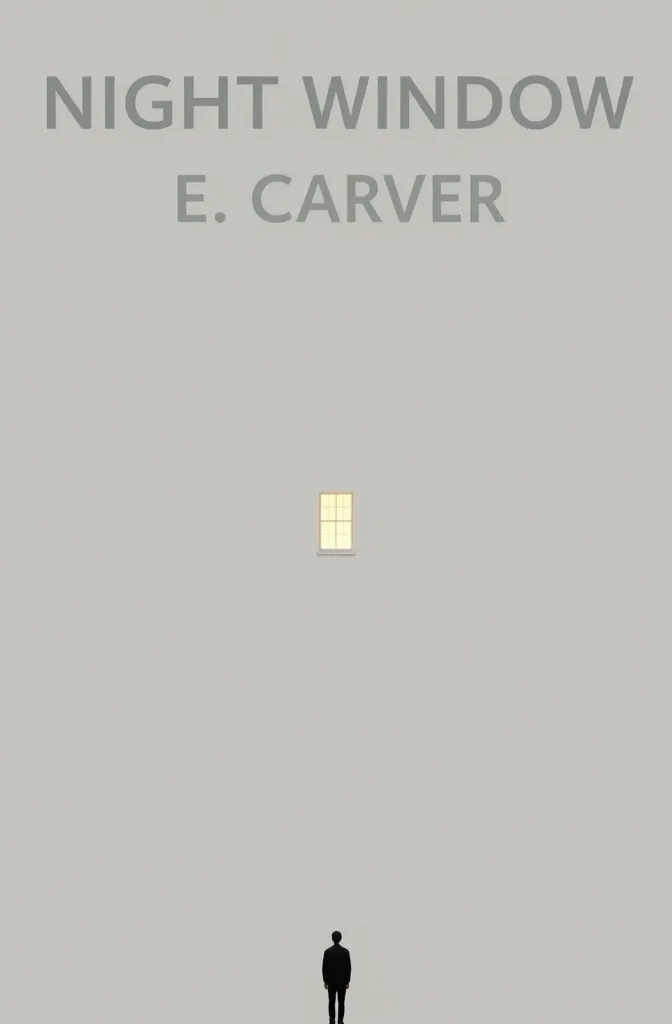
+ "extreme negative space, figure tiny in lower-third, vast empty above"
Book Cover Mood Atlas
Browse book covers by emotional tone, not genre. Useful when you know the feeling but not the category.
Dark & Mysterious
Heavy shadows, restricted palette, single unsettling element, often horror/thriller-adjacent.
Hopeful & Bright
Warm sunrise palettes, open compositions, soft natural light, leans memoir/literary/YA contemporary.
Vintage
Mid-century textures, faded saturation, classic serif typography, paper grain. Works for historical fiction, memoir, retro genre.
Futuristic
Geometric subjects, cool electric palettes, sans-serif type, sense of vast scale. Sci-fi default but also self-help/business.
Romantic
Soft focus, warm gold and rose tones, scripted typography, two-figure or evocative single-object compositions.
Epic
Sweeping landscape, lone hero figure, dramatic weather, painterly style, ornate gold-accented typography.
Intimate
Single small object, restrained palette, soft natural light, refined typography. Whispers rather than shouts.
Surreal
Dream-logic compositions, impossible objects, watercolor or magical realism style. Strong fit for literary and fantasy crossover.
Minimalist
One bold element, vast whitespace, single accent color, modern geometric sans-serif. Tends modern/literary or self-help.
How to Write an AI Book Cover Prompt That Works
Six pieces of information get you the cover you want. Skip them and you'll get something generic.
- 1
Subject
What's the central image? Be specific. "A figure" is bad. "A woman in a red coat looking back over her shoulder" is good.
- 2
Style modifier
How is it rendered? Watercolor, oil painting, photograph, digital painting, woodcut, vector illustration. This shapes everything else.
- 3
Mood / atmosphere
Cozy, foreboding, hopeful, dramatic, melancholy, playful. The model adjusts lighting and palette accordingly.
- 4
Palette
Either name colors ("warm amber and deep navy") or describe a feel ("sun-bleached pastels", "high-contrast monochrome with red accent").
- 5
Era or setting
1970s pulp paperback, 1920s art deco, modern editorial, medieval manuscript. Helps the model anchor stylistic choices.
- 6
Title note
Important: AI struggles with rendering specific text accurately. For titles, generate the cover art with no text and add typography in Canva, Figma, or Affinity afterward. Or describe the title style abstractly ("bold condensed sans-serif title") and place real text yourself.
"A book cover for a fantasy novel."
"Epic fantasy paperback cover, lone hooded figure on a windswept cliff overlooking a glowing dragon in a misty valley, painterly oil-on-canvas style with visible brushstrokes, deep navy and gold palette, dramatic sunset lighting, sweeping vertical composition, ornate gold-foil title in upper-third"
Common AI Book Cover Issues & How to Fix Them
Honest about where AI book cover generation gets weird. These are workflows, not gotchas.
Title text comes out garbled or misspelled
Faces look uncanny or distorted
Composition feels cluttered or busy
Want a series with consistent characters across multiple covers
Result looks AI-generated in an obvious way
Genre conventions feel off
Format, Resolution & Specs of Your AI Book Cover
Real output specs, not promises.
| File format | WEBP (default) or JPG |
| Resolution | Up to ~1024 × 1024 px depending on aspect ratio (e.g. 672 × 1024 for 2:3, 736 × 1024 for 1:1.4, 640 × 1024 for 5:8) |
| Aspect ratios | 2:3 (Standard), 5:8 (Trade), 1:1.6 (US Letter), 1:1.4 (A-Format) |
| Color space | sRGB |
| Generation time | ~12 seconds on average (8 to 15 seconds typical) |
| Model | Z-Image Turbo (prunaai/z-image-turbo) — fast text-to-image |
| Style presets | Realistic, Cartoon, Minimalist, Vintage, Fantasy, Sci-Fi — applied as prompt modifiers |
| Generations | Free with generous daily limits. Higher rate caps for signed-in users. |
| Sign-up | Not required to use the generator |
| Commercial rights | You own what you create. Platform-specific AI disclosure rules vary — see external resources below. |
Going to Publish Your Book? Read These First.
We make the cover art. For book publishing logistics, formatting, and platform policies, here's where the experts live.
Amazon KDP — Cover Specifications
Official trim sizes, bleed, and cover file requirements for Kindle Direct Publishing.
IngramSpark — Cover Template Generator
Generates exact PDF templates for hardcover, paperback, and case-bound formats.
Reedsy — AI Book Covers Guide
Editorial perspective on using AI covers for self-publishing, including platform-specific etiquette.
Authors Guild — AI and Copyright
Current legal landscape on AI-generated images and copyright registration.
Joanna Penn — Self-Publishing Resources
Long-running indie author resource with practical guides on cover design and KDP workflow.
Community Feature Requests
Real shipped features below. The team reads new requests weekly and ships what makes sense.
Free AI Book Cover Generator — FAQ
About this book cover generator specifically. For publishing logistics, see the resources section above.
What AI model does the book cover generator use?
What file format and resolution do I get?
What aspect ratios are available?
How long does generation take?
Can I generate variations of the same cover?
Why doesn't my title text render correctly?
Is the resolution good enough for print?
What about CMYK or print-specific color profiles?
Can I sell books with covers I generate here?
Is this really free?
What if I don't like the result?
Related AI Tools for Authors
More AI tools that pair well with the book cover generator.
Dark Fantasy Book Cover Generator
Tuned for grimdark, gothic, and dark-fantasy aesthetics.
Anime Book Cover Generator
Manga and anime-style covers for light novels and YA.
Historical Fiction Cover Generator
Period-appropriate covers for historical novels.
Amazon Book Cover Generator
Optimized for Kindle store thumbnail visibility.
Book Description Generator
Write the back-cover blurb in your book's voice.
Book Interior Design
Chapter pages, drop caps, and interior styling.
AI Book Illustration Generator
Interior illustrations, scene art, and chapter openers.
All Book Design Tools →
Browse the full Book Design tool suite.